
09\11\2011
Written by Maxi
STEIM \ Electronic Harmonies
Stadium filling concerts of Lady Gaga, Armin van Buuren or Foo Fighters would simply be inaudible without electronics. Imagine a world without new Coldplay songs being performed live on stage and where Paul Simon’s Graceland does not exist. Electronic editing techniques mean that one wrong note from a trumpet need no longer ruin the otherwise perfect recording of Mahler’s Symphony No. 4. In fact, the only composition possible during a live concert would be John Cage’s 4’33”.
You may not realise the complexity recording and playing music harbours, but STEIM (Studio for Electro Instrumental Music) do.
written by Laura Graat and Renee Schmeetz
Back in the sixties, frustrated by the inability to make live concerts sound as good as their counterparts in the studio, a group of composers of electronic music founded STEIM. STEIM was created as a laboratory for the research and development of the modern practice of electronic music and takes an instrumental approach to performing: this means that music only attains its definitive form once it is performed at the concert.
One of their latest projects is composing music by juggling balls. This might seem peculiar to the most of us, but it turns out there’s a common language between a juggler and a composer: the mathematics that inspired them both.
To understand the advanced techniques that STEIM develops, it is useful to know a little bit about the history of the genre. After the second world war, a new generation of artists wanted to distance themselves from the idealistic nature of the conservative pre-war art. In their opinion subjectivism had allowed the rise of Nazism, so in times of reconstruction clean and objective electronic music became the symbol of a hopeful future. This opened the possibility of using and editing everyday sounds into music, the so called ‘musique concrete’.
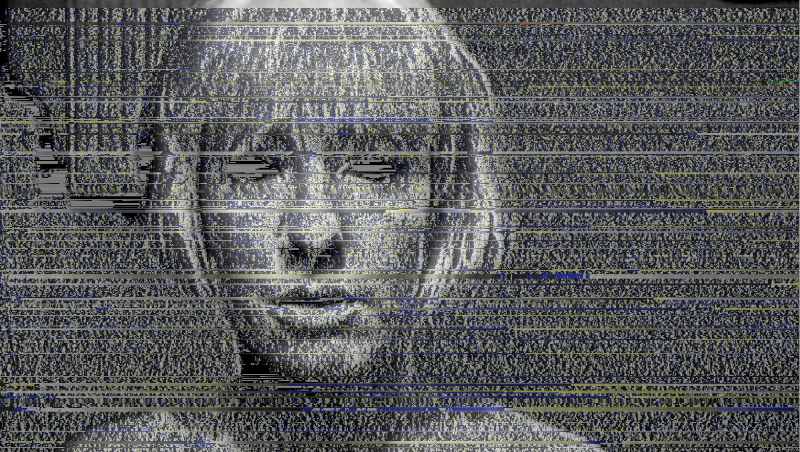
ЯOSΛ MEИKMΛN, a Dutch visualist, experiments with these everyday sounds and turns musical accidents, like glitches and feedback, into visuals; a visual artifact she called Collapse of Pal. Although many people perceive these accidents as negative experiences, Rosa emphasizes their positive consequences.
Collapse of PAL is just one element of the program that can be viewed in the Cubicle during the EXPO at STRP Festival. On November 19, Artistic Director of STEIM, Takuro Mizuta Lippit, curates a special program featuring innovative live performances, historical lectures and student demos. Come down on November 19 to see how much STEIM loves art and technology.
Laura Graat en Renee Schmeetz write under the name of Department of Doing -a marketing & communication office for the cultural sector- providing blogs for the STRP Festival 2011.
visit the website:
STRP Festival